Skip to content

Binding & Finishing

From Printed Sheets to Finished Books

The right structure brings page count, paper, opening behavior, durability and finish into one considered book.

Request a Quote
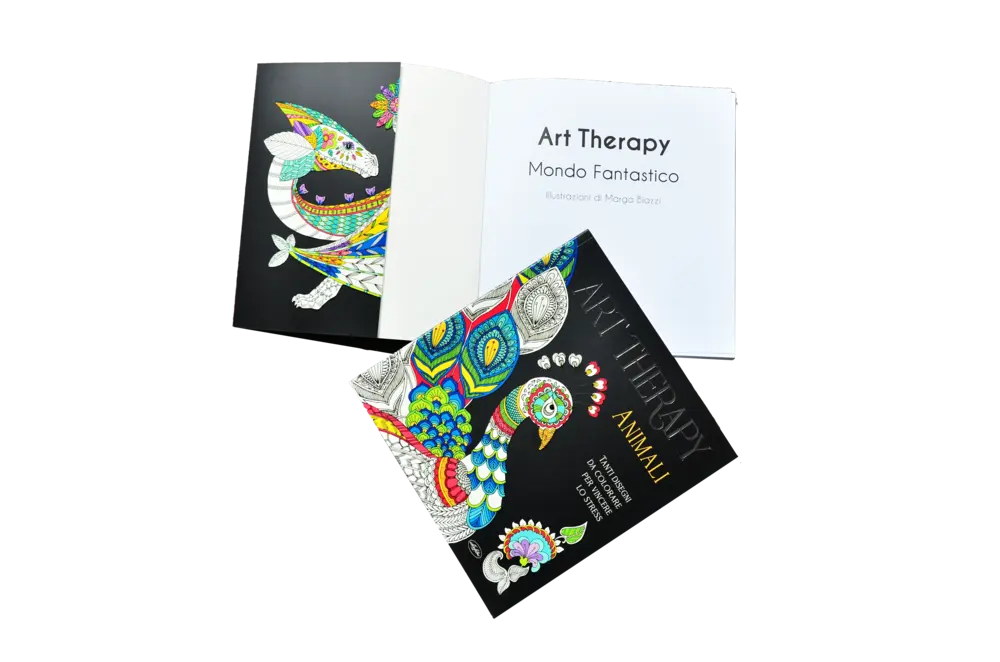
Art Therapy Series detail image 1
Printed sheetsBook constructionReader experience

02 / Structure brief

Book Structure Comes First

Binding decisions begin with the book itself. The format and page count establish the physical scale. Paper and intended use influence thickness, handling and durability. The cover, opening experience and finishing details complete the structure.

These requirements are reviewed together. No single input automatically selects the binding method.

Finished-book requirements

  1. 01Page count
  2. 02Book format
  3. 03Paper and bulk
  4. 04Expected use
  5. 05Durability
  6. 06Opening experience
  7. 07Finishing requirements
Result Suitable binding structure

Based on book format, usage and reader experience.

03 / Before binding

Folding & Gathering

Printed sheets first need to become organized sections. Folding turns the imposed sheet into the intended page sequence. Gathering brings those sections together in the order required for the book block.

The fold pattern, paper behavior and finished format need to support the structure that follows. This stage prepares the material for sewing, stitching, perfect binding or case binding without trying to define the entire production journey.

Heidelberg folding equipment
Stahl / Heidelberg BH82 folding resource. Equipment identity and configuration remain on the Equipment page.
01Printed sheets

Imposed page sequence ready for folding.

02Folded sections

Fold patterns establish page order.

03Gathered book block

Sections are assembled for the selected binding route.

04 / Paperback structures

Choose the Paperback Structure Around Use

Paperback is not one construction. Page count, paper thickness, expected handling and the way the book should open determine which route is appropriate.

01

Perfect Binding

Suitable use

Softcover books with sufficient book-block thickness for a glued spine, including covers with flaps when specified.

Reader experience

A clean square spine and familiar paperback feel. Opening behavior depends on paper, thickness and spine construction.

Durability

Adhesive, spine preparation and materials need to be matched to the intended handling.

02

Thread Sewn + Glue

Suitable use

Section-based book blocks that are sewn before adhesive and the softcover are applied.

Reader experience

The sewn sections reinforce the book block while retaining a familiar softcover format.

Durability

The sewn structure adds reinforcement before the glued cover stage, where the specification calls for it.

03

Saddle Stitching

Suitable use

Thinner publications whose page count, format and paper suit folded sections secured through the fold.

Reader experience

A lightweight format that opens readily from the center fold.

Durability

Best suited to the intended handling and the thickness created by the folded sheets.

05 / Case construction

Hardcover Construction Shapes Feel and Use

Case binding combines a prepared book block with a rigid outer case. Board, cover material, spine construction, endpapers and casing-in need to work as one structure.

Conventional Hardcover creates a firm case. Padded Hardcover adds a cushioning layer beneath the cover material, changing the surface feel, corners, wrap and artwork position. That difference needs to be specified before production artwork is finalized.

Special treatments follow the structure.

Foil, embossing, lamination or other cover details are reviewed against the selected case materials and construction. They are not assumed to suit every project.

Menus for Meerkats
Conventional Hardcover Menus for Meerkats
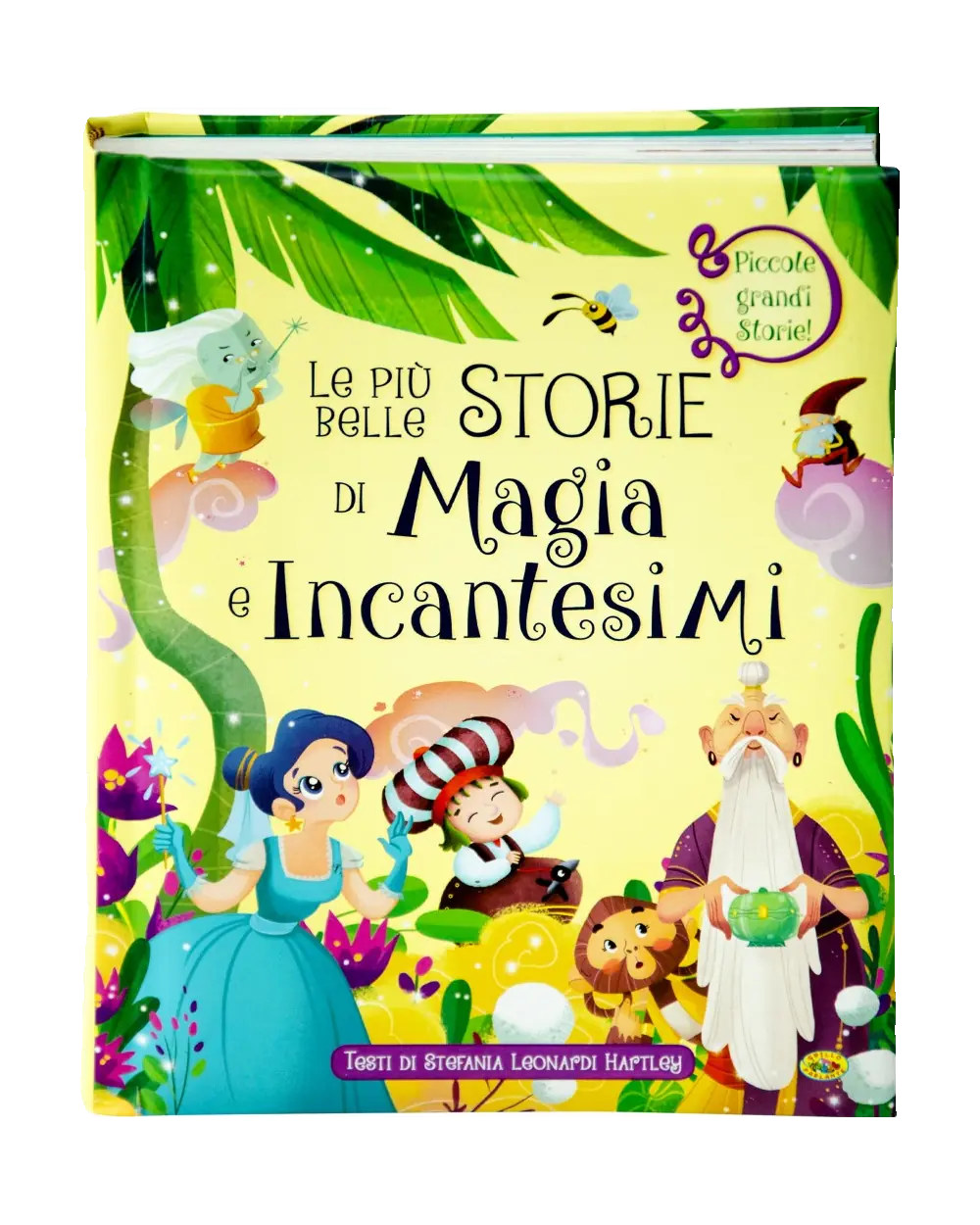
Le Più Belle Magia e Incantesimi
Padded Hardcover Le Più Belle Magia e Incantesimi

06 / Surface and detail

Finishing Details Complete the Book

Finishing changes what readers see and touch. The effect needs to be planned with the substrate, cover construction, artwork and intended use rather than added as a separate decorative step.

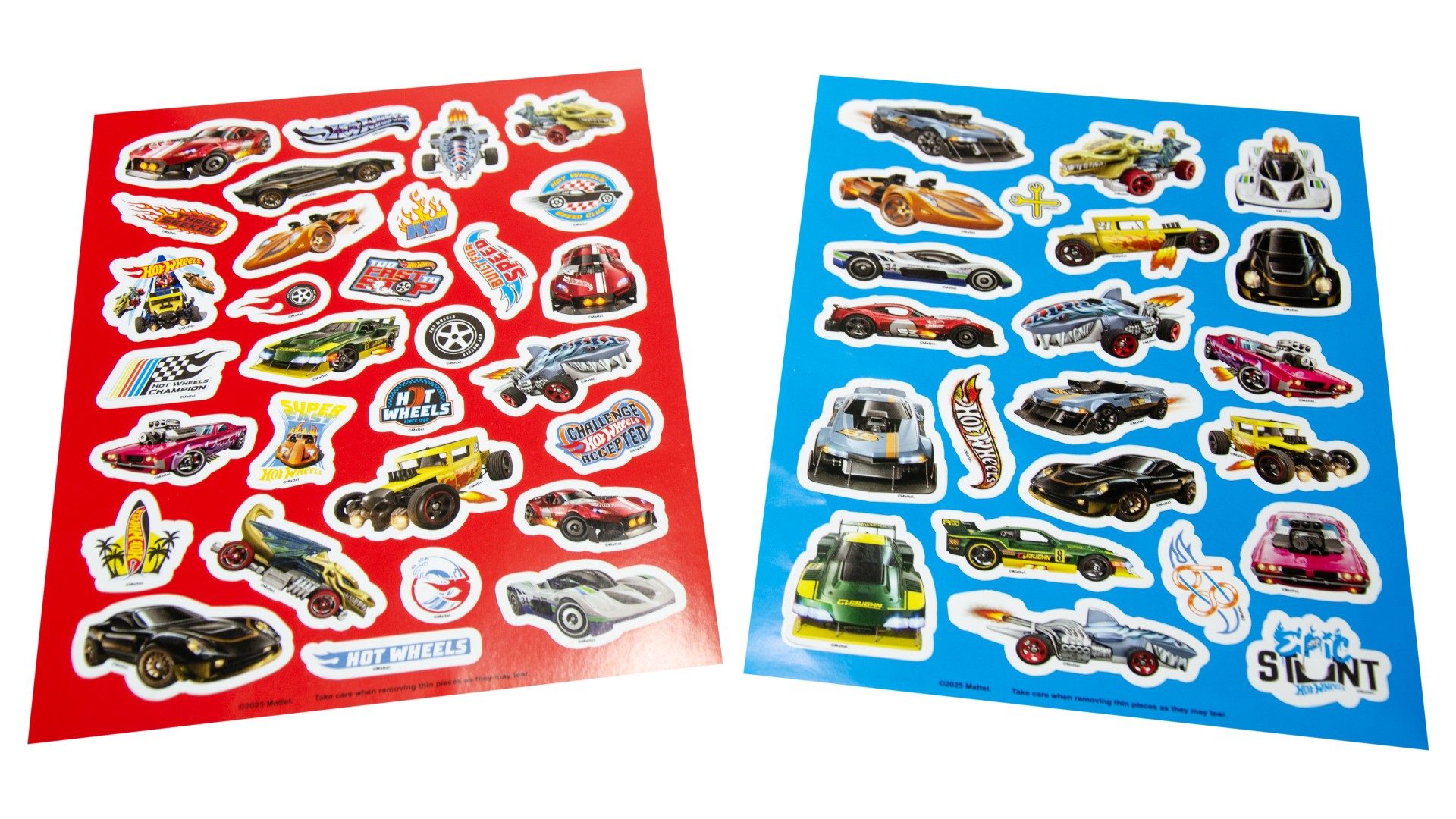
Two finished sticker sheets from a printed sticker book
Finished sticker-sheet detail. This product image is not evidence for every finishing method listed beside it.
01

Foil Stamping

Adds specified metallic or colored foil details where the artwork, material and production route support the effect.

02

Embossing / Debossing

Raises or recesses selected areas to create a tactile change in the surface.

03

Lamination

Changes surface feel and adds a protective film when included in the approved cover specification.

04

Spot UV

Applies a localized gloss effect to defined artwork areas where registration and material suitability are confirmed.

05

Edge Treatments

Add color or another specified finish to the book edges when the structure and final design call for it.

07 / Publisher guidance

Compare the Finished Experience

The useful comparison is not simply softcover versus hardcover. Publishers need to consider what the book must do, how it should open and how it will be handled.

Paperback

Suitable useSoftcover books whose page count, paper, format and intended use support Perfect Binding, Thread Sewn + Glue or Saddle Stitching.

Durability and openingDepend on the selected construction, book-block thickness, paper and spine or fold.

Reader experienceA flexible-cover format whose opening behavior varies with the binding method and materials.

Hardcover

Suitable useBooks that call for a rigid case, stronger presentation or a substantial finished structure.

Durability and openingDriven by the book block, case materials, spine, endpapers and casing-in.

Reader experienceFirm, substantial and presentation-led.

Activity / Sticker Books

Suitable useInteractive products that may combine pages, stickers, inserts, flaps or other specified components.

Durability and openingConstruction needs to account for component thickness and repeated handling.

Reader experienceInteractive, accessible and suited to the intended activity.

Special Structures

Suitable useProjects whose approved brief requires a distinct cover, book block or finishing arrangement.

Durability and openingReviewed case by case against materials and use.

Reader experiencePurpose-built rather than selected from a generic format list.

08 / Supporting capabilities

Capabilities Supporting the Book Structure

Production capabilities support the approved binding route. The book specification remains the starting point, while the Equipment page owns machine identity, configuration and verified technical detail.

Folding Accuracy Capability

Capability:Controlled folding supports the intended page sequence before gathering and binding.

Publisher benefit:More consistent folded sections for downstream book-block construction.

Powered by:Stahl / Heidelberg Folding System

Hardcover Case Making Capability

Capability:Case-making supports controlled cover, board and wrap preparation for case-bound books.

Publisher benefit:Hardcover construction aligned with the approved materials and book structure.

Powered by:Muller Martini Diamant MC Case-Making Line

Cover Preparation Capability

Capability:Cover-processing equipment supports approved cover materials and construction requirements before assembly.

Publisher benefit:Prepared covers matched to the selected binding route and finishing specification.

Powered by:Cover processing equipment

Explore Production Equipment

Plan the Book Structure Before Production

Share the format, page count, paper, quantity, binding and finishing requirements so the finished-book structure can be reviewed.

Go to Top