
Printing support for publishers
A publisher's specification connects editorial decisions with the book a reader will hold. Interior, cover and additional components need to agree on format and construction. Proof approval, version control and shipment instructions give the production team a consistent basis for the work.
For publishers considering overseas book printing, Anhui Xin An Printing Co., Ltd. manages book manufacturing in China from paper procurement and file preflight to on-site production checks and shipment.
Xin An Printing coordinates book production around those needs. For a single title or related editions, start with the decisions already made and the choices still open. Prepare the brief around the buyer concerns below, with specialist guidance where needed.

Keep the publication specification coherent
A change to one part of a book can affect another. Adding pages may require a construction review; different paper can alter thickness and feel. Keep cover decisions connected to the interior specification, and record each decision so a later change does not leave another component describing an earlier version.
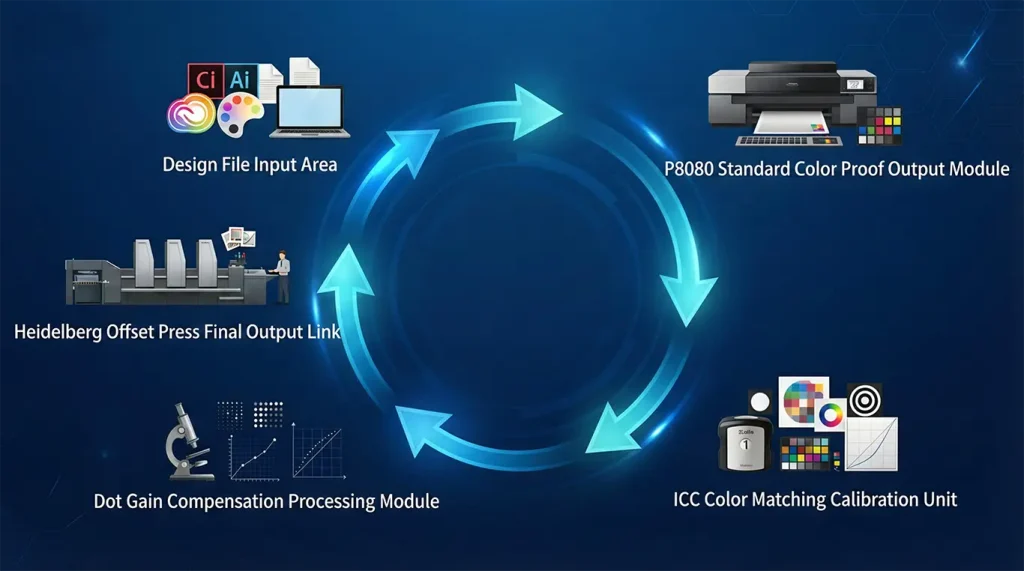
Color expectations need the same clarity. Identify the artwork and physical reference that matter to the title, including areas needing particular attention. At Xin An Printing, the approved hard-copy digital proof is the formal contractual color reference for production. It gives the buyer and production team a common basis for comparison.
Construction should reflect how readers handle the book: how pages turn, how comfortably it opens and how the cover relates to the contents. Describe the intended result before choosing a familiar binding name. Paper, extent and finishing choices all contribute to that decision.
Completeness matters across the order and within each book. The correct interior must accompany the correct cover and edition. For different versions, explain the distinctions and identification needed at receipt. Carry the same project identity through packing and shipment information so the receiving team knows what belongs together.
Finished books relevant to your project
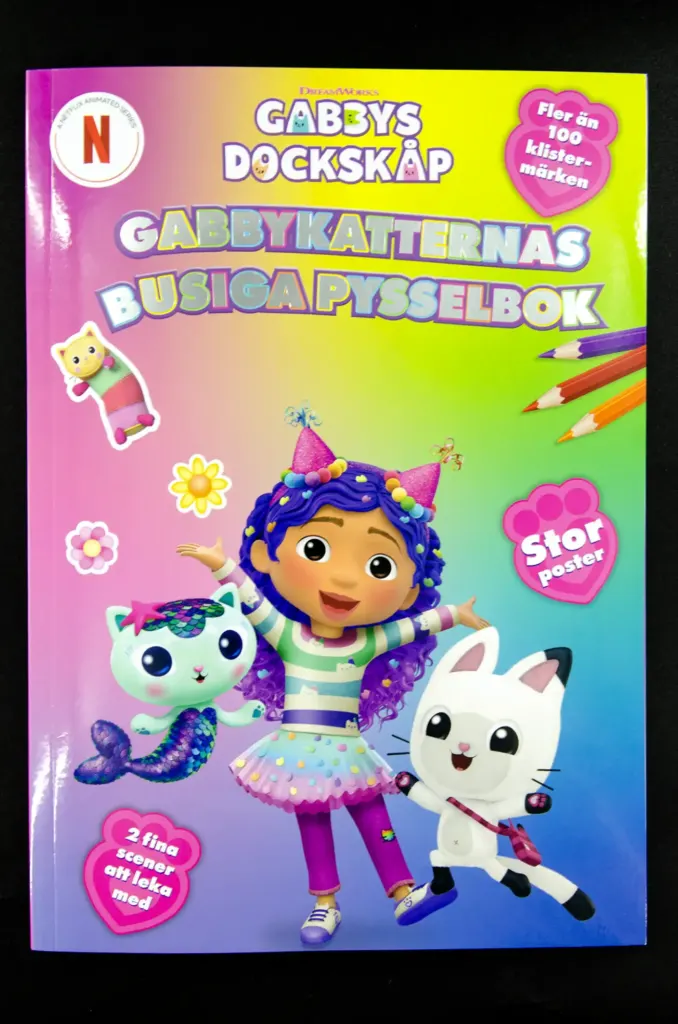
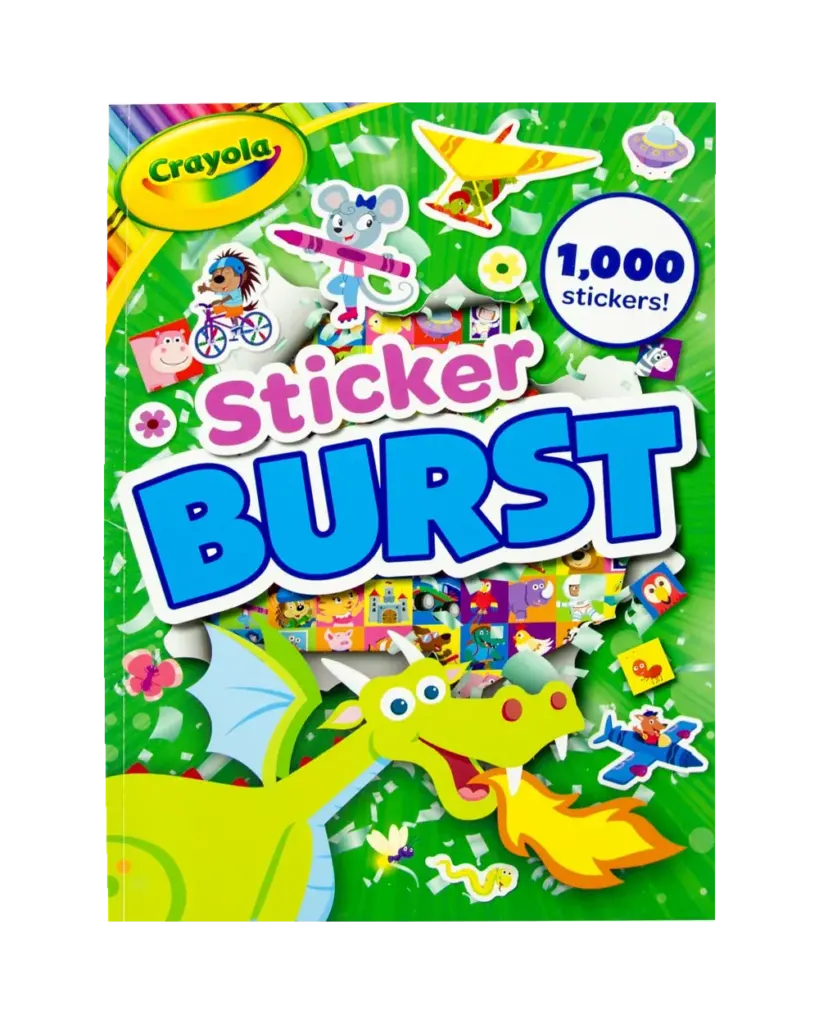
Explore relevant finished publications, including hardcover books and supported illustrated, coloring, sticker or activity formats. Each product record has its own images and specification. Use those details to frame construction or component questions for your title.


Discuss the decisions that affect the result
Clear artwork and approval requirements reduce ambiguity before production. If the title includes color-sensitive illustrations or a particular appearance reference, explain those priorities when you supply the files. Prepress & Color Management describes how Xin An Printing prepares the production reference.
Consider paper and extent alongside the intended opening experience. Cover finishes also belong in the construction discussion. Binding & Finishing explains the production considerations behind those choices; state what the completed book needs to do.
Tell us what needs particular attention at acceptance. Edition identity, page completeness and finished surfaces can matter even with an otherwise straightforward specification. Quality Assurance covers the relevant production controls.
For multiple titles or versions, describe the grouping and carton identification needed at receipt. Include destination and timing in the initial inquiry. Packaging & Shipping provides context for these needs, which help define the job before printing choices are made against the full specification.
Prepare the quotation brief
You can request a quotation with some choices still open. Separate confirmed requirements from alternatives, and name who will supply final artwork and approve the physical proof. Keep unresolved decisions distinct from settled instructions.
Include:
- The title or project reference, intended publication type and how the book will be used.
- Finished format and page count, with the cover and any separate components identified clearly.
- Preferred paper or material characteristics, together with any alternatives you want reviewed.
- Binding and finishing requirements, or the opening and cover qualities you want to achieve.
- Color expectations and any existing reference that should inform proof review.
- Quantity for each title, edition or language version, rather than one combined total without a breakdown.
- A list of additional items, such as sticker sections or inserts, where they form part of the specified publication.
- Required packing groups, carton identification, destination and timing for the order.
For a reprint, identify the earlier version and what has changed. A retained sample can clarify the intended result, but discuss changes to paper, files or construction explicitly. When comparing two alternatives, explain why so the quotation review addresses the actual choice.
Reading for publication decisions
These guides explain what a contract proof confirms, how paper affects the finished book, which construction differences matter and what to prepare before production. Use them to clarify choices before sending the brief.

Printing Guide
What Is a Digital Contract Proof in Book Printing?
At Anhui Xin An Printing Co., Ltd., the approved physical digital proof is the formal contractual color reference for production. It gives the publisher and production team one reference instead of inconsistent monitor displays.
Printing Guide
From Digital Proof to Press Sheet: How Color Is Controlled
Color consistency depends on carrying an approved reference from prepress to the press sheet. Understand what the proof establishes and how paper, viewing conditions and later changes affect that reference.

File Preparation
How to Prepare Print-ready Files for Book Printing
Publishers and designers can use this production checklist to catch common file issues before artwork reaches proofing, imposition, printing or finishing. It explains what to verify and why each check matters.
See the relevant production context
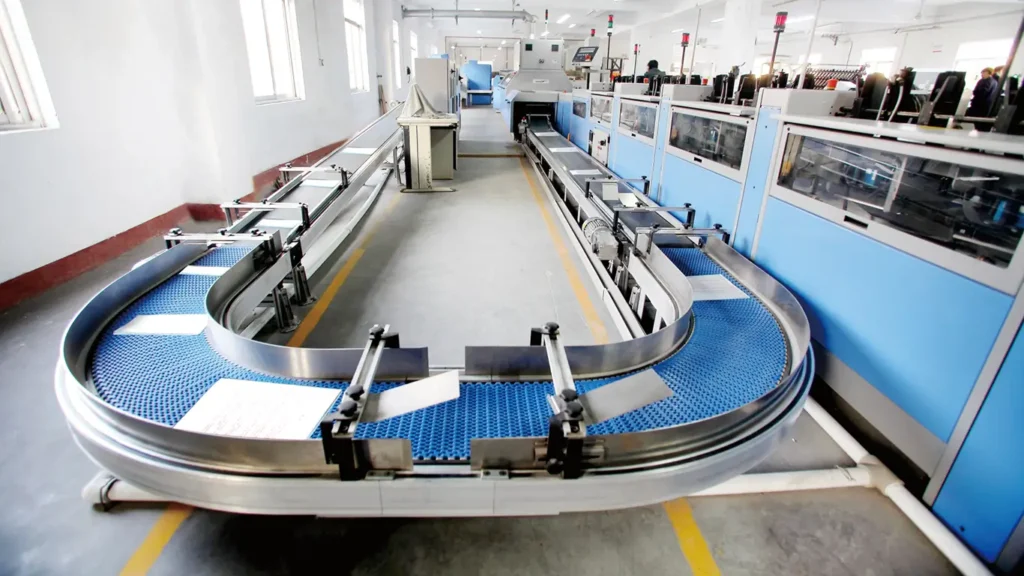
Each recording shows the production activity named in its description. Use it alongside product and manufacturing guidance when discussing construction or handoff. The footage does not replace the requirements agreed for your order.
Discuss your publishing project
Send your specification and open questions about paper, construction or approval. Include the edition breakdown and shipment needs if known, so we can review the publication as a complete job.