
Printing for children's publishers
A children's publication may combine a story, illustrated activities and components that readers use separately. It needs to arrive complete, with the correct artwork on each part and construction suited to the format.
Key facts
| Item | Detail |
|---|---|
| Minimum order | 2,000 copies per title; 3,000 or more is more economical |
| Proofs | About 7 working days; free for confirmed orders |
| Bulk production | About 20 calendar days after proof approval with paper in stock |
| Paper | Procured by Anhui Xin An Printing Co., Ltd. for every order |
| File preflight | Carried out by Xin An Printing before the press starts |
| Production | At Anhui Printing Group, with Xin An Printing's team on site |
| Shipping terms | FOB, CIF or DDP from the Port of Shanghai |
| Certification | FSC Chain-of-Custody ESTS-COC-251598 |
| Testing | EN 71 and CPSIA arranged per title on request |
120,000 Children’s Books Shipped to a Major UK Retail Chain
Xin An Printing's product experience includes children's books, coloring books, sticker books, activity books and activity packs. Start by describing what belongs in the finished publication. Define the reading or activity format, then consider color expectations, materials and assembly together.
Make every component part of the same brief
Illustrations often give a children's title its character. Agree one color reference for the illustrations, cover and interior, even where materials or finishes differ. Flag colors or images needing particular attention during proof review. At Xin An Printing, approval makes that hard-copy digital proof the contractual color reference for printing.
Account for every part of an activity publication. A sticker sheet or separate poster has its own content and position. List each component and say whether it sits inside the book or accompanies it separately. A similar product photograph can communicate format, but your project's component list defines what must be supplied.
Construction affects reading and activity. A padded cover feels different from a conventional hardcover; opening behavior can matter when an activity runs across a page. Describe the intended use when considering paper, binding and cover requirements. Choose construction for the needs of each illustrated or activity title.
Track version identity when artwork or components differ between editions. The correct cover must accompany the correct contents and additional pieces. Include packing instructions that distinguish versions. Clear identification helps the receiving team recognize finished sets without relying on the outer carton's appearance alone.
Books, stickers and activity formats
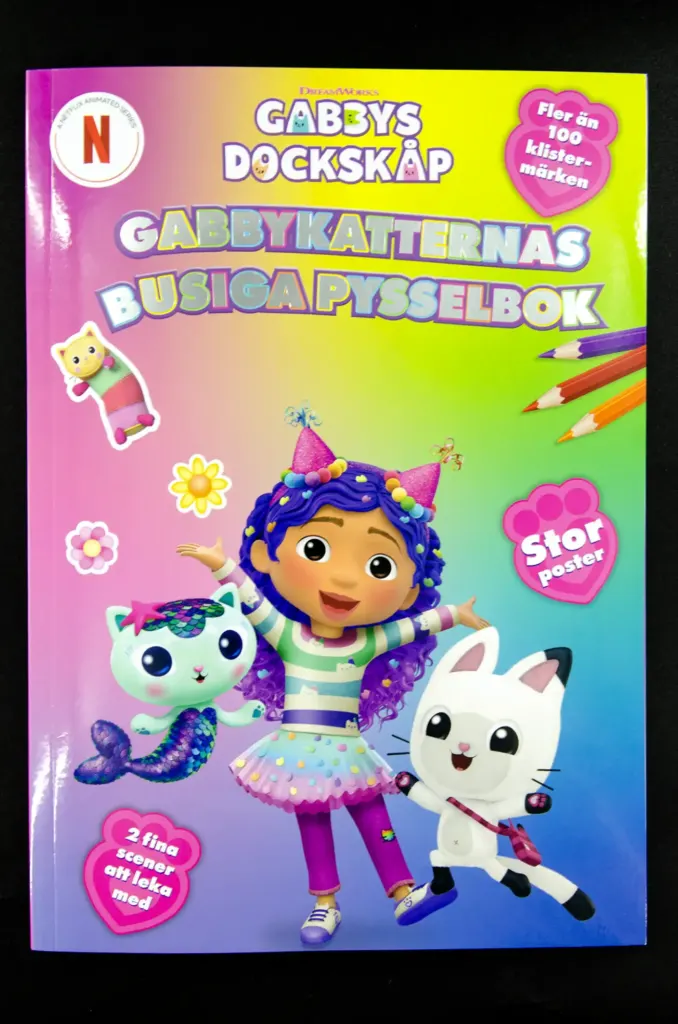
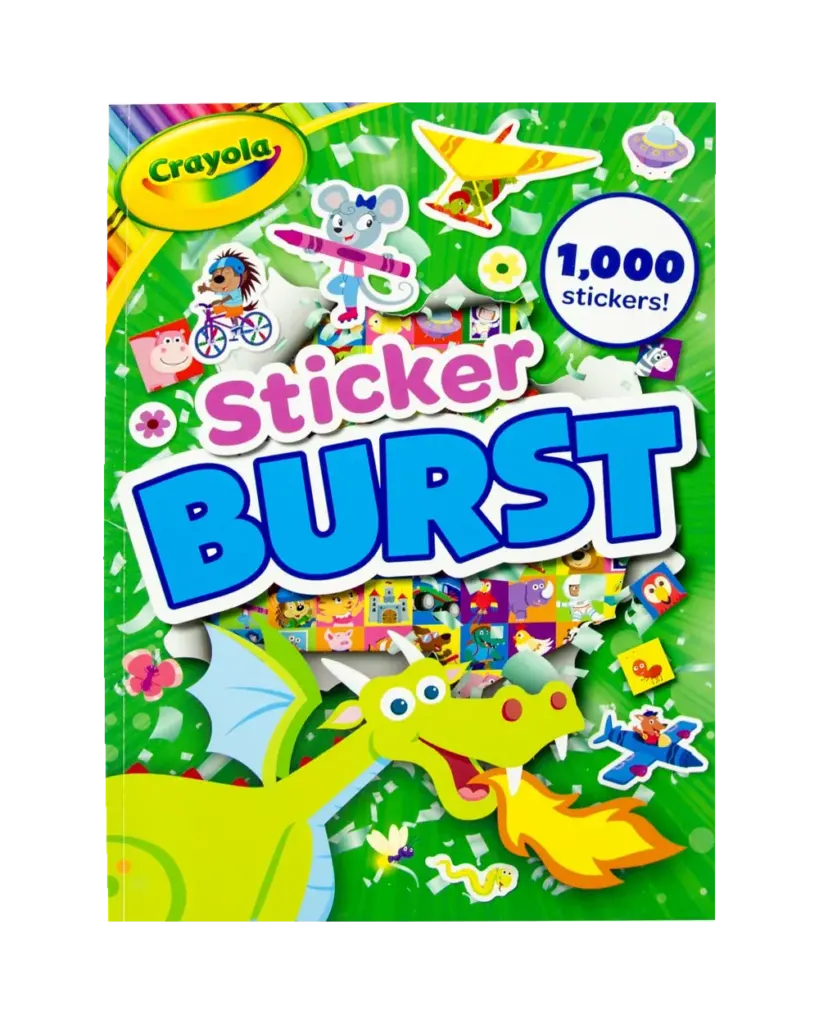
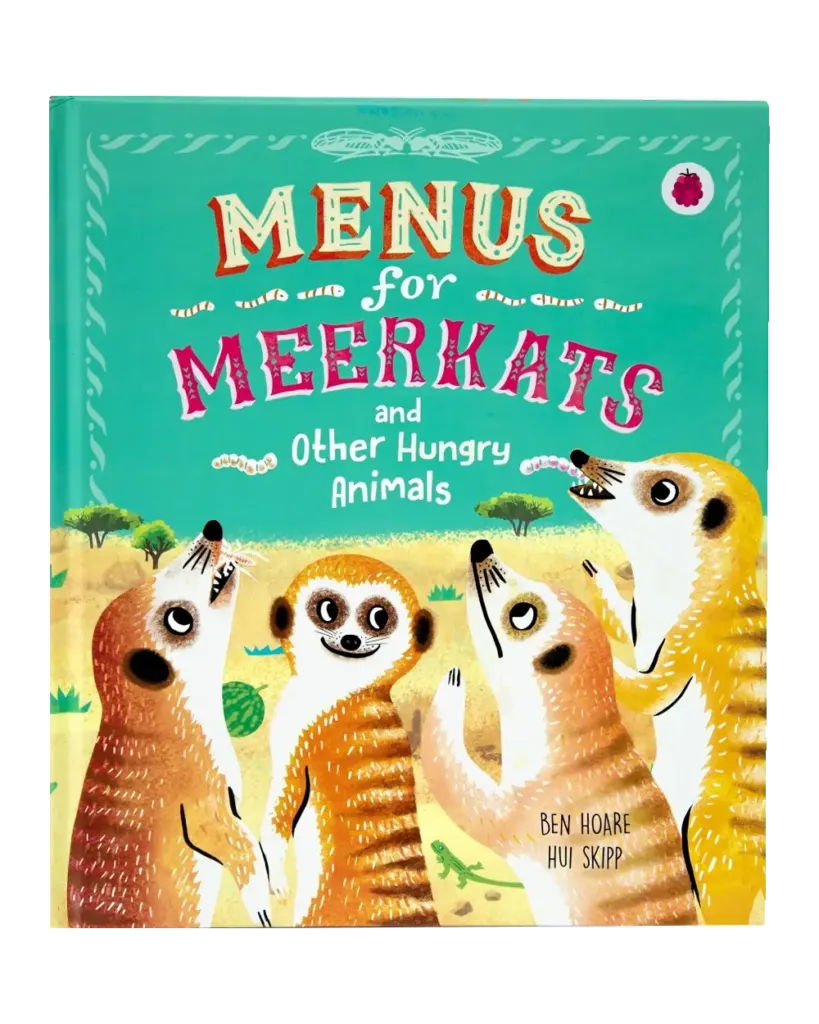
Explore relevant children's publications and components. Finished images help you compare covers, interiors or sticker sections, while each record retains its own specification. Use the examples to describe your intended format and the details that differ.

Connect the artwork with the finished format
Bring the illustration brief and component schedule into the file discussion together. Cover artwork, interior pages and separate printed items need to describe the same edition. Prepress & Color Management explains the preparation and reference work that supports those requirements.
Consider the activity alongside the book's appearance when choosing paper and construction. Tell us about areas for coloring, sticker placement or another specified use. Binding & Finishing explains how printed components become the intended physical product.
Component completeness is distinct from page appearance. Clearly identify the parts and how they belong together, especially when versions share a similar cover or format. Quality Assurance covers the controls behind assembly and finished-book checks.
For activity packs or several editions, explain packing arrangements and identification needed at receipt, making clear which items belong together. Packaging & Shipping provides handoff context. You do not need to choose a packing method before the complete product is reviewed.
Describe the complete publication
Prepare the inquiry around the finished book or pack, including all extras. For several items, supply a short component schedule and use consistent names across the artwork and quotation brief.
Please include:
- The publication format, intended reading or activity use and the title or edition reference.
- Finished dimensions and page counts, with separate components listed individually.
- The cover concept and preferred paper, including any material choice still open for discussion.
- The binding and finishing requirements, or the handling qualities you want the book to have.
- Sticker sections, posters, inserts or other supported components included in the product, with their quantities and intended position.
- The artwork supplied for each part and any color reference needed for proof review.
- Quantity by edition or version, with differences in covers, interiors or additional pieces identified.
- Packing groups, carton identification and the destination and timing requirements for the order.
Specify exactly which components change between versions and which printed items they share. This keeps the brief clear for quotation and later confirmation. Mark undecided details as questions so the review can focus on choices affecting the final format.
Guidance for children's publication planning
These guides cover file readiness, paper and book structures. They also explain why completeness and early confirmation matter for publications with several parts. Choose the topic that addresses your open decision.

Printing Guide
What Is a Digital Contract Proof in Book Printing?
At Anhui Xin An Printing Co., Ltd., the approved physical digital proof is the formal contractual color reference for production. It gives the publisher and production team one reference instead of inconsistent monitor displays.
Printing Guide
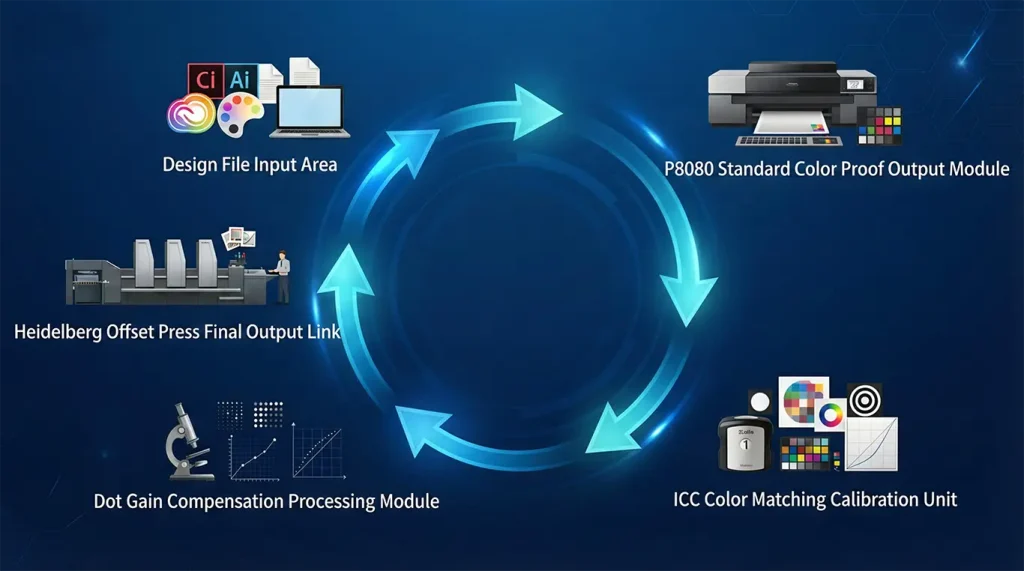
From Digital Proof to Press Sheet: How Color Is Controlled
Color consistency depends on carrying an approved reference from prepress to the press sheet. Understand what the proof establishes and how paper, viewing conditions and later changes affect that reference.

File Preparation
How to Prepare Print-ready Files for Book Printing
Publishers and designers can use this production checklist to catch common file issues before artwork reaches proofing, imposition, printing or finishing. It explains what to verify and why each check matters.
Relevant production activity
These recordings provide context for the activity each title identifies, such as sticker kiss-cutting, activity-pack production or a relevant binding process. Read the description with the footage so the example informs the right part of your project discussion.
Plan your children's publication
Share the book or activity-pack brief, including its component schedule and version differences. Tell us which decisions are confirmed and which need review. We can discuss the requirements of the complete publication before the production specification is finalized.