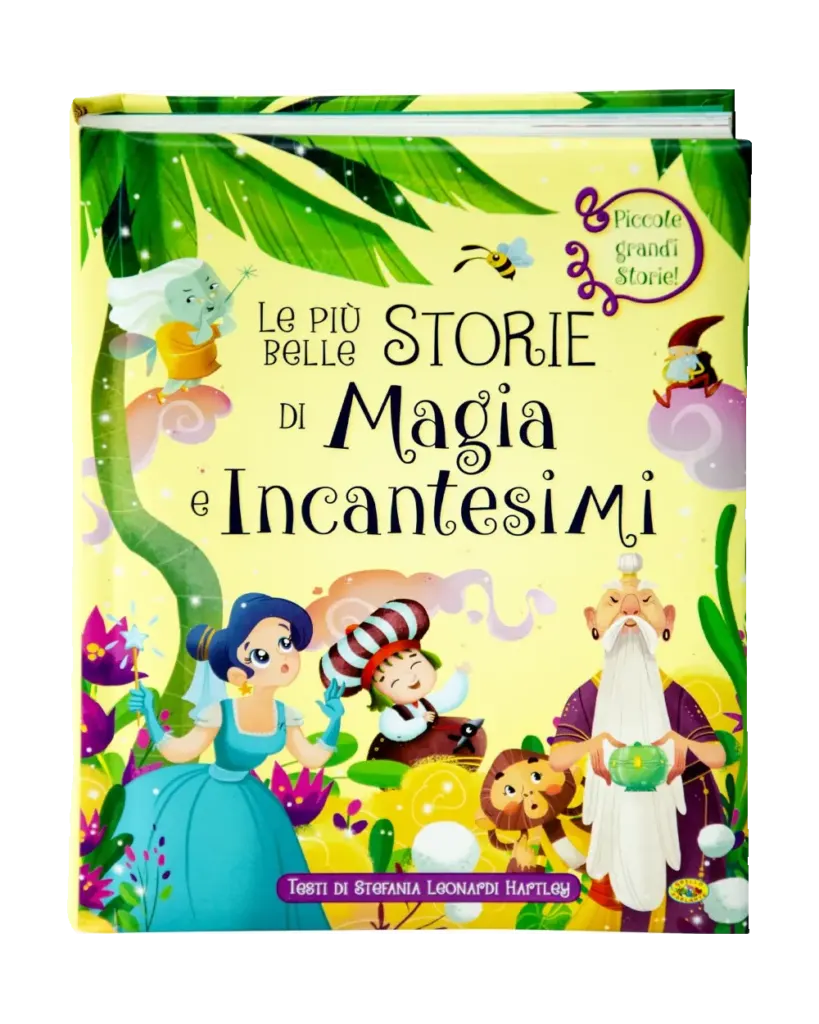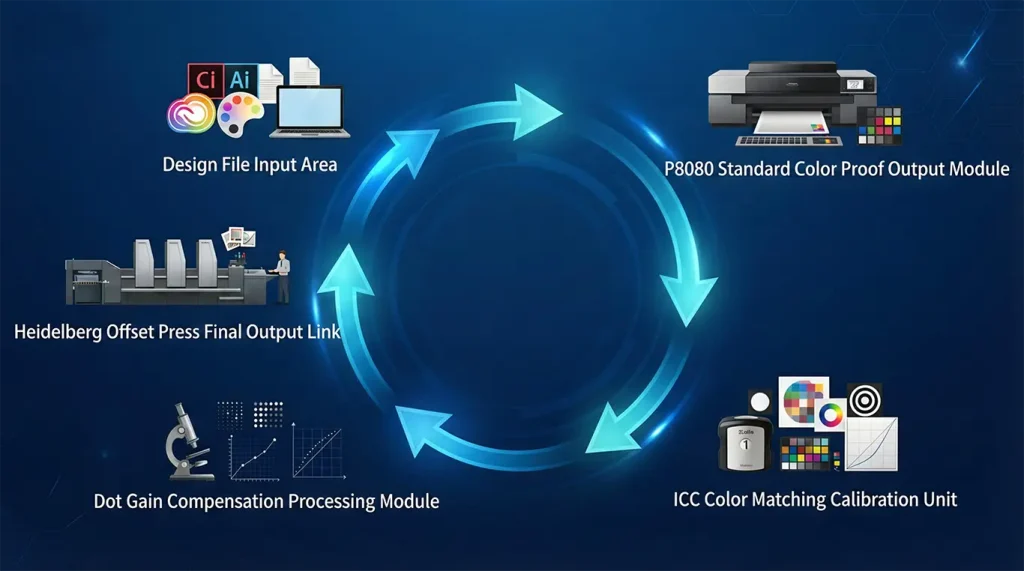

Binding determines how a book opens, feels and holds up in use. The appropriate method depends on the format, page count, paper, expected use and visual brief.
Anhui Xin An Printing Co., Ltd. reviews binding within the complete production route, before printing and finishing decisions are locked in.
Perfect Binding
Perfect Binding uses adhesive to bind an unsewn book block. It is widely used for softcover books with a suitable book-block thickness and paper structure. It works for many publishing and commercial-print projects, including books with standard covers or flaps.
The specification should account for:
- page count;
- paper thickness and grain direction;
- spine width;
- cover stock;
- flap structure where applicable;
- expected opening behavior.
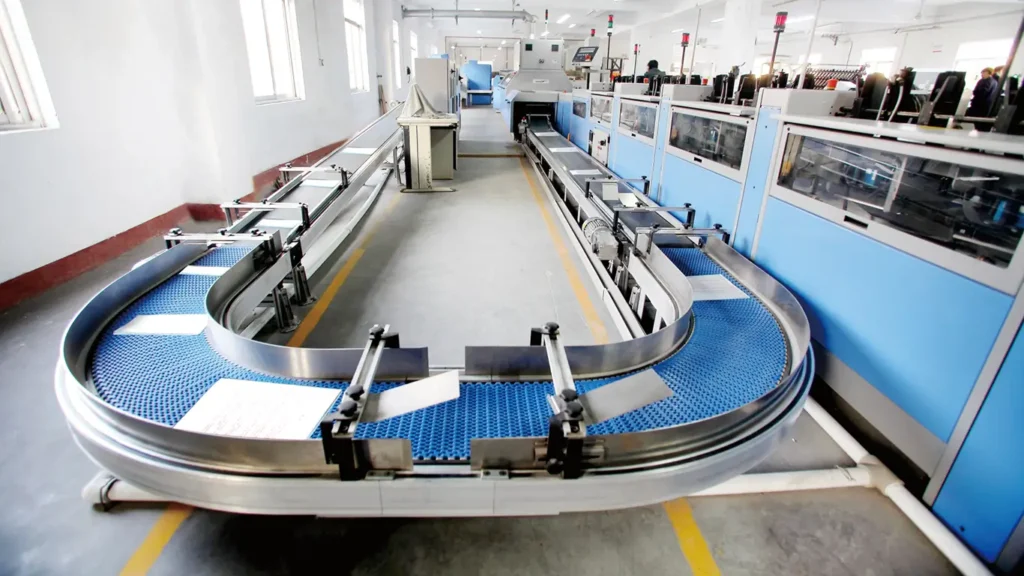
Saddle Stitching
Saddle Stitching suits thinner products whose page count and format support a folded-and-stitched construction. It is commonly used for booklets, selected children’s products, activity publications and other relatively light structures.
Page count, paper thickness and trim size must be reviewed together because the folded sections increase in thickness toward the center of the product.
Thread Sewn + Glue
Thread Sewn + Glue combines a sewn book block with adhesive and a softcover. It is a distinct route from unsewn Perfect Binding.
Thread Sewing joins folded sections before the book block enters the next binding stage. It is used when the specification calls for a stronger section-based book block or when a sewn structure supports the final construction.
Thread Sewing is also a process used for book blocks that may continue into case binding or another route, depending on the product.
Conventional Hardcover
Conventional Hardcover uses a rigid case and suits projects where structure, presentation and durability are important.
The finished result depends on the relationship between the board, cover material, book-block thickness, spine construction, endpapers and casing-in accuracy.
Padded Hardcover
Padded Hardcover places a cushioning layer beneath the cover material to create a softer, more dimensional surface.
Because the additional layer changes the corners, edges, wrap and artwork position, the case specification should be confirmed before production artwork is finalized.
Flexi Bound
Flexi Bound has a more flexible cover construction than Conventional Hardcover and a more substantial finished feel than a standard paperback.
It is a separate binding structure and should be specified independently rather than treated as a variation of ordinary Hardcover.
How to Choose
Start with the physical requirements of the book:
Trim Size → Page Count → Paper → Book-block Thickness → Opening Behavior → Cover Structure → Finishing → Intended Use
The chosen binding should balance these requirements without adding production complexity that the product does not need.
Binding & Finishing explains how the selected structure is produced. Quality Assurance covers checks on assembly and completeness.