Book production is a connected sequence. Files affect proofing, paper affects color and book-block thickness, and printing carries the approved color reference into the printed result. The binding method defines the physical structure, while packing and shipping requirements can influence production planning.
Publishers who understand these relationships can prepare clearer specifications, review samples more effectively and communicate with the production team with fewer gaps.
The decisions below help buyers understand which inputs affect later work and what to clarify with Anhui Xin An Printing Co., Ltd. before those decisions become costly to change.
1. Project Specification
Production planning starts with the intended book. Useful information includes:
- product type;
- trim size;
- page count;
- quantity;
- paper;
- color specification;
- binding;
- finishing;
- shipping destination.
Some details may still be open at the first inquiry. A clear description of the intended product helps Xin An Printing review the production options more accurately.
2. File Review
The supplied artwork needs to match the production requirements. Finished size, bleed, fonts, images, overprint, trapping and pagination can affect printing or finishing.
Send the artwork with the intended book specification so file questions can be considered in context. Resolving them before production avoids carrying an editable file problem into later work.
3. Paper Selection
Paper is assessed as part of the finished product. Weight, bulk, opacity, shade, surface, grain direction and book-block thickness can influence printing, binding, freight and the feel of the book.
A change of paper may also change spine width, opening behavior or shipment weight. Confirm the stock alongside the construction and finished-book requirements.
4. Digital Proof and Blueprint
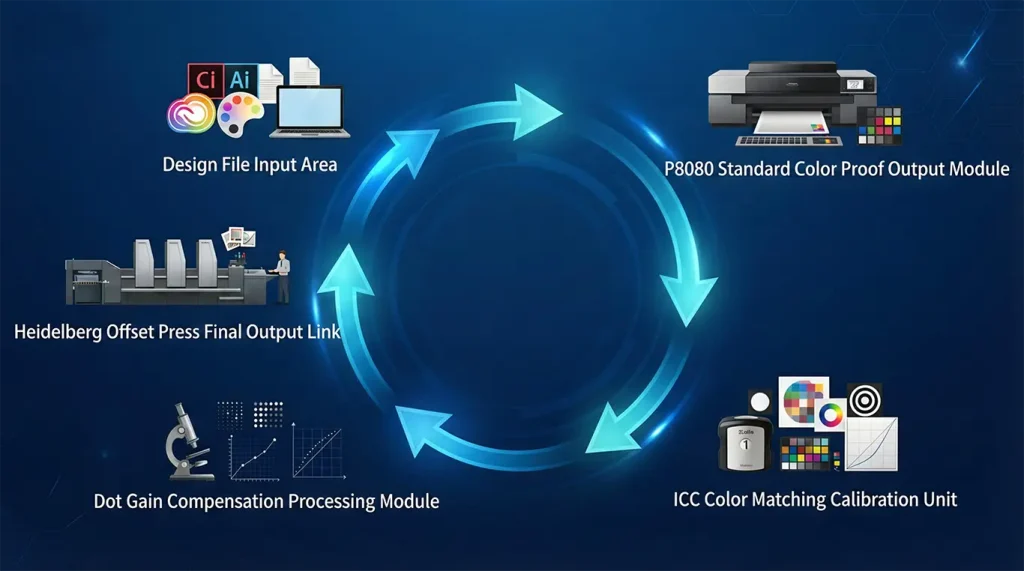
At Xin An Printing, the approved hard-copy digital proof is the contractual color reference for production. Review the intended color appearance before approving the proof.
A blueprint or equivalent imposition/content proof may also be used to check page sequence, content and production arrangement before mass printing.
Color approval and page/content review answer different questions. Clarify both before approving the material for production.
5. Printing
The approved contract proof follows the job to press. Xin An Printing’s closed-loop color-management workflow connects the file, proof and press, keeping the final printed result aligned with the approved reference.
Discuss later artwork or paper changes with the production team because they may affect the approved reference.
The project specification determines whether the production route uses sheetfed or web printing. Neither press type is suitable for every job.
6. Binding and Finishing Requirements
The specified construction affects how the book opens, feels and holds together. Identify the intended structure, whether Perfect Binding, Saddle Stitching, Thread Sewn + Glue, Conventional Hardcover, Padded Hardcover or Flexi Bound, before fixing the cover and book-block requirements.
Finishing may include lamination, UV Varnish, Spot UV, Foil Stamping, Glitter, Embossing, Debossing, Die Cutting, Kiss Cutting or another process specified for the project.
7. Quality Requirements
Quality requirements should be discussed before production, even though the finished result is reviewed later. Define the expected appearance, completeness, binding and finishing so the team knows what the project requires.
Quality Assurance explains the production checks. The buyer’s role here is to communicate the expected result and make any change to the specification clear.
8. Finished-book Review
After binding and finishing, the completed book is checked against the relevant specification before packing. This review covers the final physical product after the major manufacturing processes are complete.
9. Packing and Identification
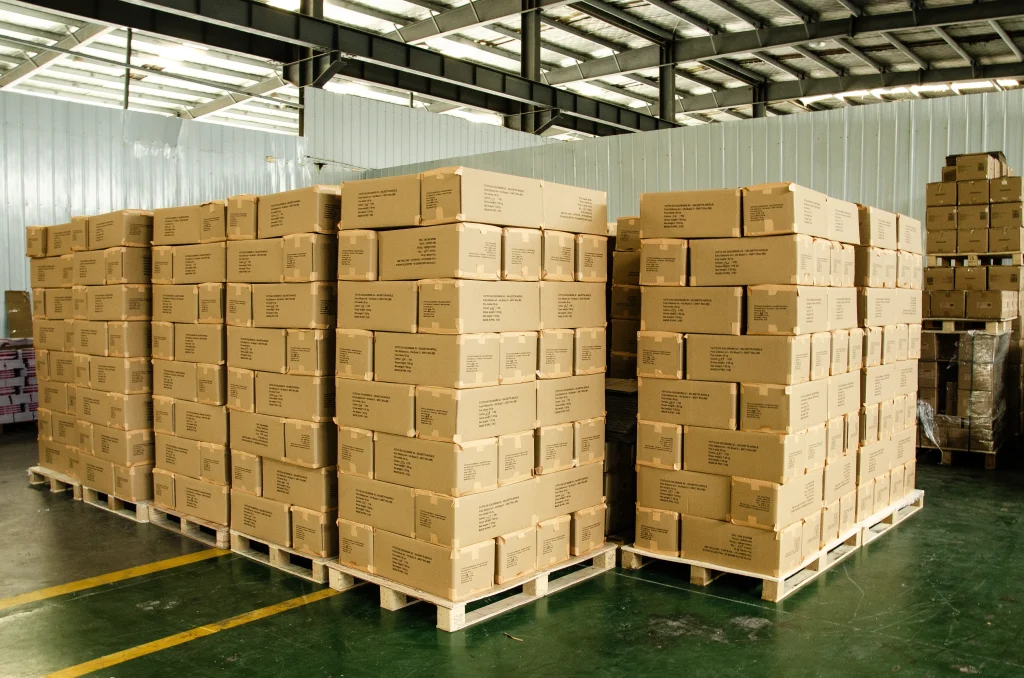
Packing requirements belong in the project brief. Consider book size, unit weight, carton quantity, product identification and handling needs.
Clear carton and order identification keeps the shipment connected to the correct project.
10. Shipment Preparation
Share the destination and agreed packing requirements while the book specification is being prepared. Paper, quantity and finished-book weight affect shipment planning, so shipping should be considered before those choices are fixed.
Packaging & Shipping explains how Xin An Printing prepares finished books for shipment.
Keep the Decisions Connected
A change in one part of the specification can affect the work that follows. Review files against the intended book, approve the color reference, and discuss the consequences of changes to paper, construction or packing before proceeding.
See Manufacturing for how Xin An Printing manages the production stages.